
Nigella sativa (Black Seed oil)
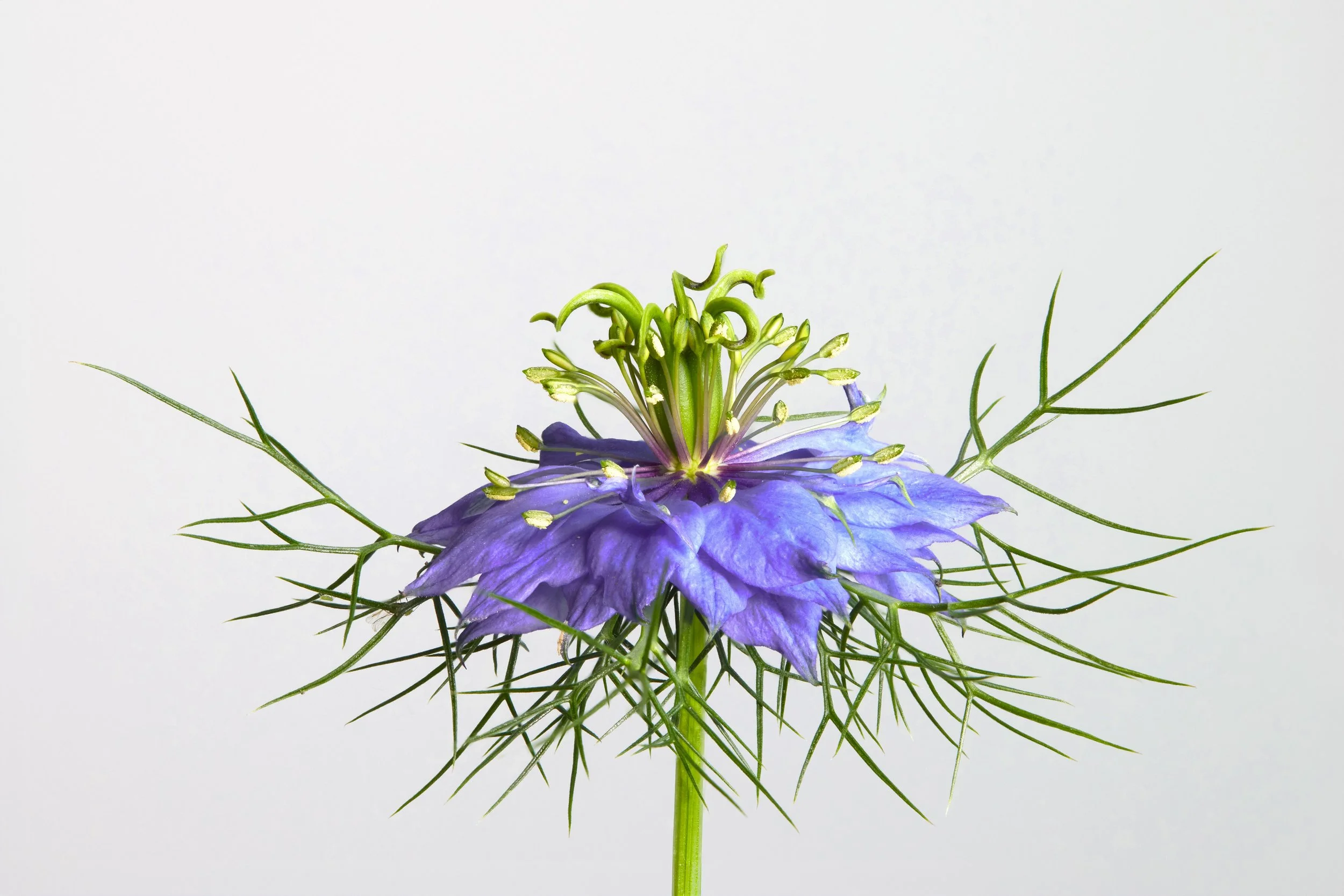
Nigella sativa, also known as black seed or black cumin, is a plant native to Asia, the Middle East
Modern research suggests that N. sativa has several potential pharmacological properties, including anti-inflammatory, antimicrobial, antioxidant, antidiabetic, analgesic, and liver- and kidney-protective effects.
The plant’s key active compound is thymoquinone, which is believed to contribute to many of its biological effects. Different extracts and components of N. sativa may have different actions and potential health applications.
Black seed oil contains thymoquinone, a compound with antioxidant and anti inflammatory properties. These effects may help reduce inflammation, swelling, and congestion associated with sinus problems. Research also suggests that black seed oil may have antihistamine and antimicrobial effects, which could help with allergy-related nasal symptoms and certain infections.
Ways to Use Black Seed Oil
Black seed oil is commonly used orally or topically. Some people take about 1–2 teaspoons daily, starting with a smaller amount to assess tolerance. It can be mixed with honey or lemon to improve the taste.
For topical use, a small amount may be applied to the forehead, temples, or nasal bridge. Avoid putting undiluted oil inside the nose unless it is specifically formulated for nasal use.
Steam inhalation is sometimes used for congestion, although care should be taken to avoid burns and irritation.